
Texas Winter Temperature Highs and Lows Are Hard on Your HVAC — Tips To Get You Through It

When it's in the 80's during the day and the 30's at night, you know you're in Texas during the winter. It's around this time of year that, after relying on their heaters for a couple of months, people start needing to switch back and forth from heat to AC, which is harder on the system than running one or the other. So now is a good time to be sure you are giving your HVAC some love, to make sure it will see you through to the surface of the sun, otherwise known as summer in Texas.
Here are some HVAC tips from our experiences in the field:
Mind the Gap
A little gap in your duct work may not seem like that big of a deal, but think about it this way: when you're driving in your car, think how quickly even opening a window a crack has an affect on the temperature of the car. All that air moving rapidly affects the car quickly, even through a small opening. The same is true with your HVAC. Pressurized air moving rapidly through your system will flow quickly through any gaps, reducing the efficiency of your HVAC by causing it to work harder to cool or heat your space.
These gaps commonly occur over time without proper maintenance. As the season changes, it's a great time to have your HVAC serviced to check that your system is sealed up tight.
Tin Foil Is Not Just For Aliens
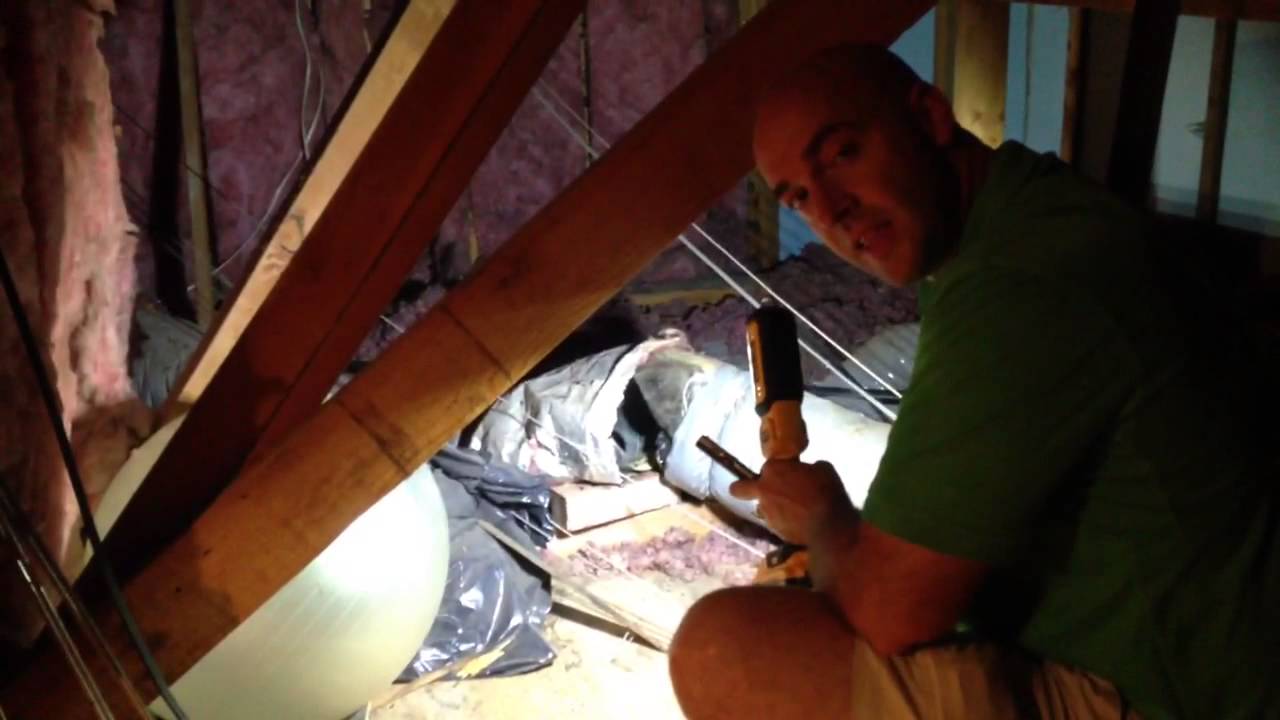
The attic is basically a giant unconditioned space sitting on top of your house, so in the summer, you have an oven up there, and in the winter, a freezer, making it harder for your HVAC to do its job. Attic insulation helps with this, but then you have that pesky attic hatch that opens up and lets all that unconditioned air right in. This simple tool that Inspector Matt shares in the video is a great solution to seal your attic hatch, making your attic more efficient.
Watch the Drain Lines
We’ve discussed drain lines, or condensate lines, before. A critical part of maintaining your HVAC system is actually just being aware of these lines. If the secondary line is dripping outside your house, you know the primary is clogged and it’s time for some maintenance.
Inspector Sean also brings up a great point in the video: Do you have a drain pan alarm for your attic unit? Anyway, to clean your condensate line, you can use a home mixture of vinegar and water, or a product called NuLine. You should do this every 3-6 months to keep your lines from clogging.
For more HVAC maintenance tips, read on here. If you want someone to check out your HVAC or anything else going on at your house, or even just learn more home maintenance tips, you can get a seasonal inspection anytime.




Some users question if games with fast-paced rounds can maintain engagement without deeper mechanics. The answer lies in rhythm and flow. Each interaction leads quickly to a result, which keeps the experience dynamic and continuous. As sessions progress, the Plinko game highlights how this steady pacing encourages repeated interaction. The balance between speed, randomness, and simplicity allows users to remain engaged without requiring long-term commitment or advanced decision-making.